
Who we are
We are passionate about transforming the lives of children and young people who have contact with the criminal justice system.
We are the only national charity that provides services to support children and young people from infancy to adulthood.
Our stories

2024 is looking very different, in a very good way, for student Mary
It’s been a whirlwind start to the year for 15-year-old Mary*. With the support of her mentor, she’s gained training and a part-time job, and best of all, she has decided to […]

Storytime giggles as dads get into character
Our Storytime program is incredibly popular. Dads in custody love the chance to do something special for their children, and the children cherish the story books and recordings, often tucking them under […]

Teddy bears a winner! Samaritans donate a ton of teddies
In 2024, our Cessnock Child & Family Centre remains a hive of activity, with families dropping in when they visit loved ones in custody at the on-site correctional centres. Carers can relax […]
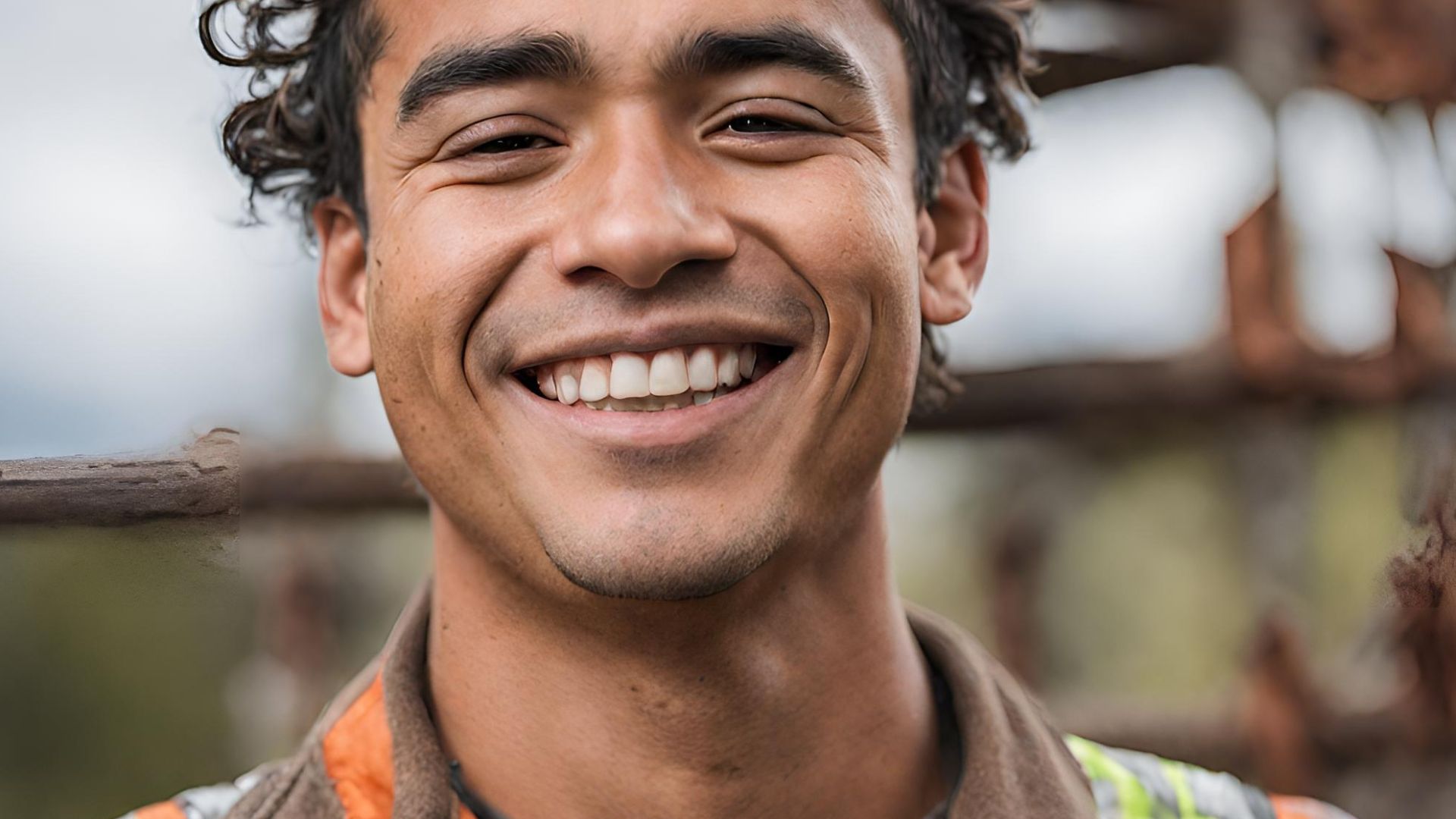
How Freddy, 18, built a new life for himself after release
Freddy* is a regular, friendly 18-year-old; he likes making jokes, being with his friends, and sharing and learning about his Māori culture. He’s doing well these days and is busy working full-time […]

“I can tell her that today mummy got a certificate for finishing a program that is going to help us.”
There was a real sense of achievement in the room on the day 10 mums in custody at Dillwynia Correctional Centre graduated after completing our Bringing Up Great Kids program over six […]

Art is helping Luka*, 14, work through his emotions
Luka*, 14, is in our SFK Mentoring program and finds going to school hard sometimes; he’s been bullied and has become withdrawn. He’s faced a lot of hardship in his short […]
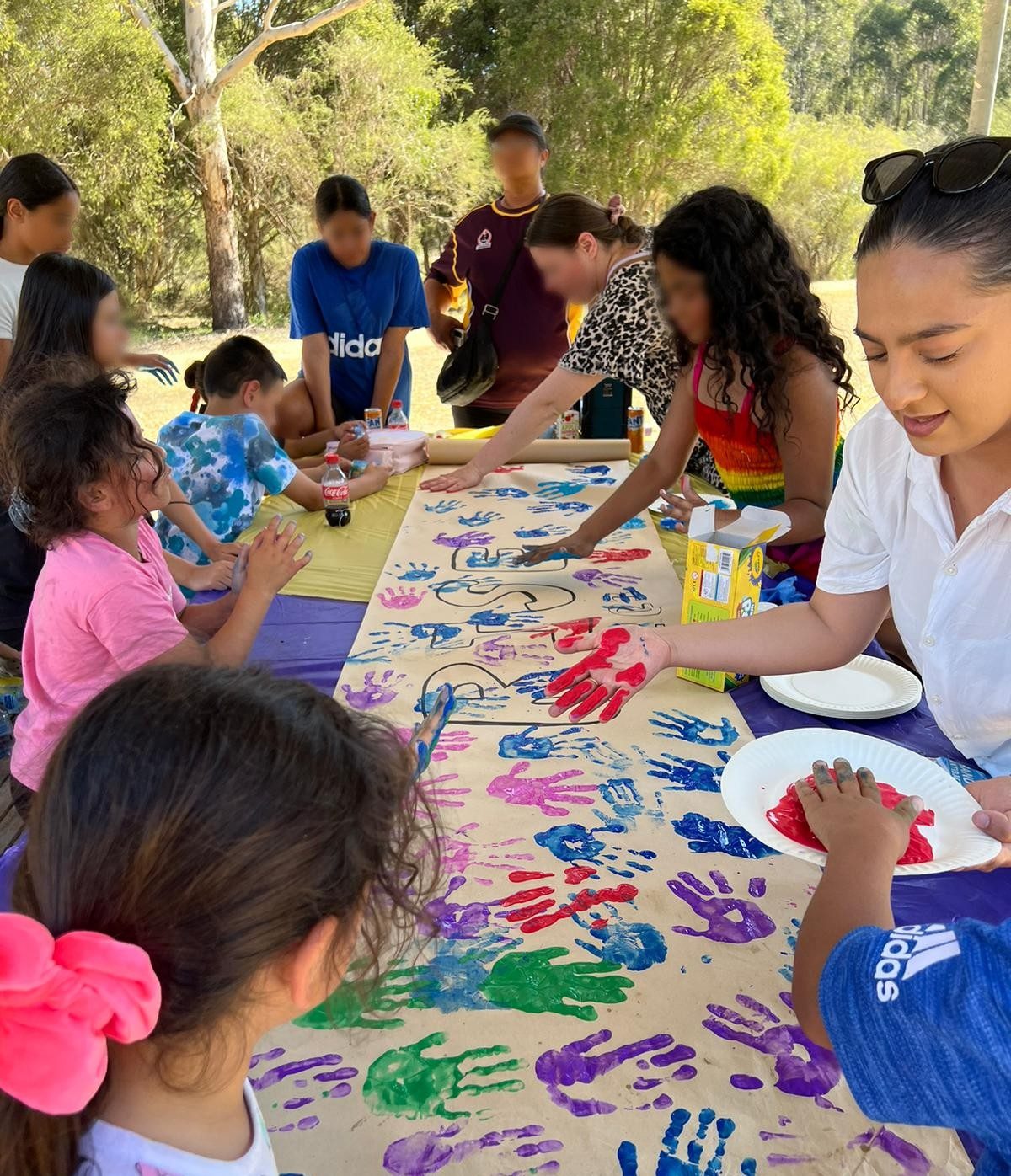
“One more game!”: Western Sydney Rise children have a blast
A group of nine excited children joined their Rise mentors and the SHINE for Kids team for a sunny day of fun and games at the local park. The day was all […]
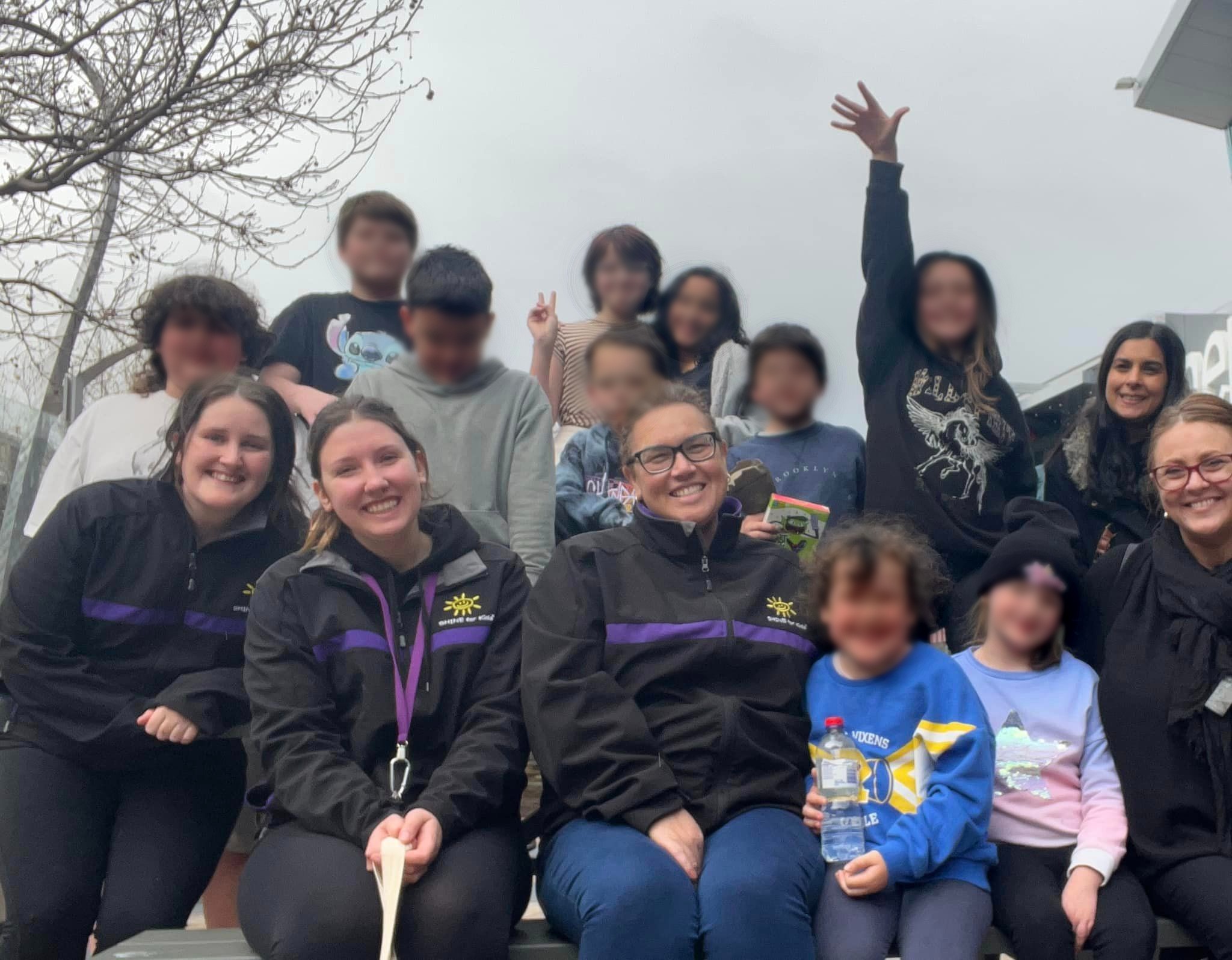
Kids say our Rise Together Days are the best!
Children with a parent in custody too often feel isolated. Embarrassed or worried about talking about what they are going through, children will often withdraw from their school friends and communities. This […]
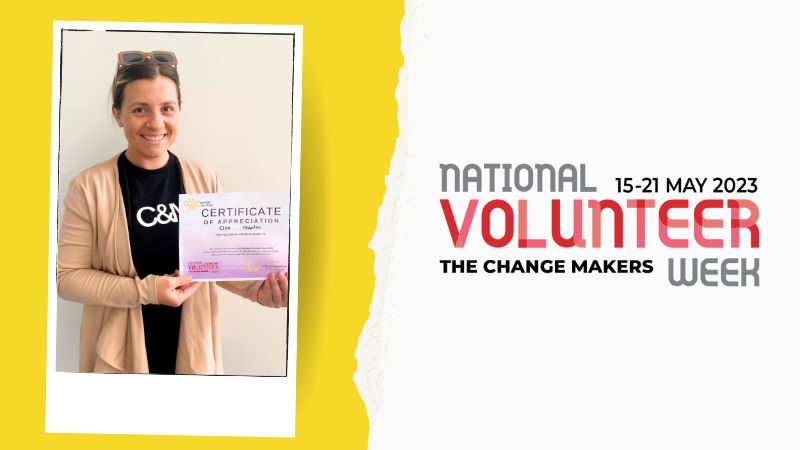
Meet our Change Makers!
This National Volunteer Week (NVW), we are SHINEing a light on a few of the amazing volunteers working with us to make positive change in young people’s lives in keeping with this […]

Playgroup bringing little kids closer to Mum
Our Playgroup program, Stay Together, Play Together, plays a vital role in keeping mums connected with their kids and improving outcomes and well-being for young children. SHINE for Kids staff member Summa […]
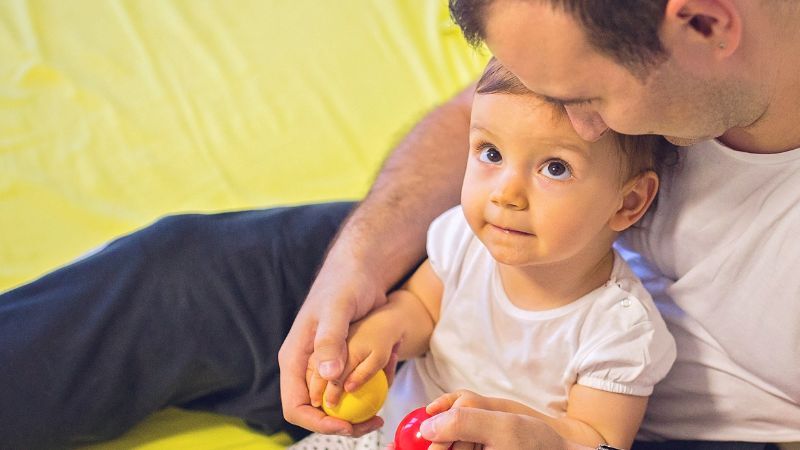
“You’re the best dad in the whole world!”: AMC Child & Parent Days a huge success
Our first Child & Parent Days at Alexander Maconochie Centre since the pandemic were a resounding success as children from all over the state enjoyed precious time with their mums and dads […]
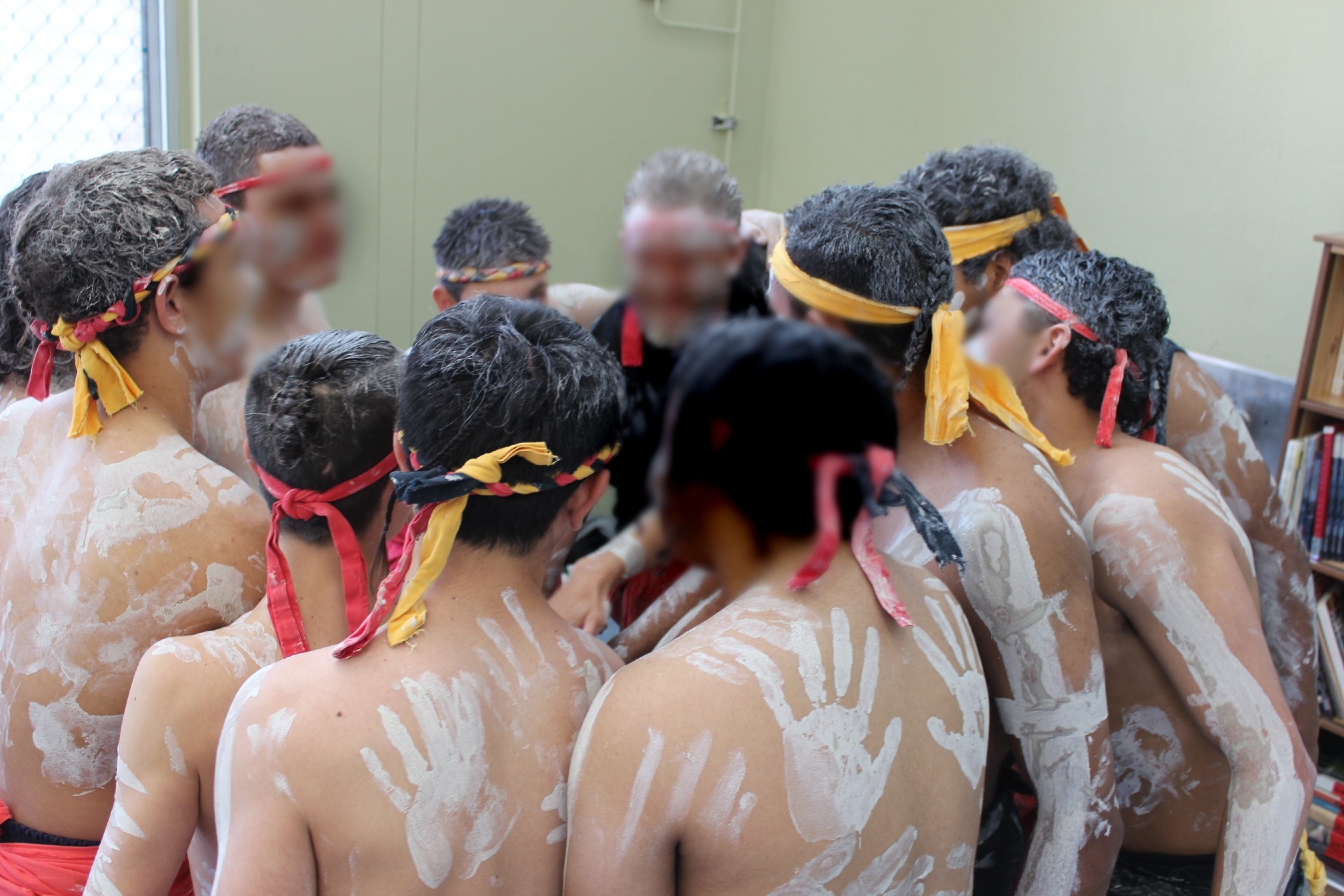
Mentees make us proud in joyful celebration
“I have always hoped and prayed my son would connect to his Culture through dance.” Five of the young people from our Stand As One mentoring program recently took part in a […]
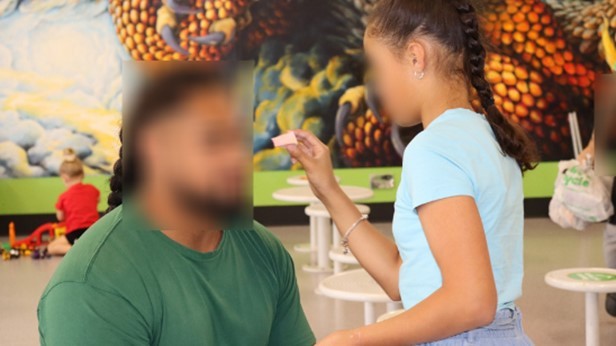
Child & Parent Day “Like a dream come true” for very excited kids
A group of VERY excited children of all ages hugged their dads, some for the first time in years, at our Macquarie Correctional Centre Child & Parent Day. These special days are […]
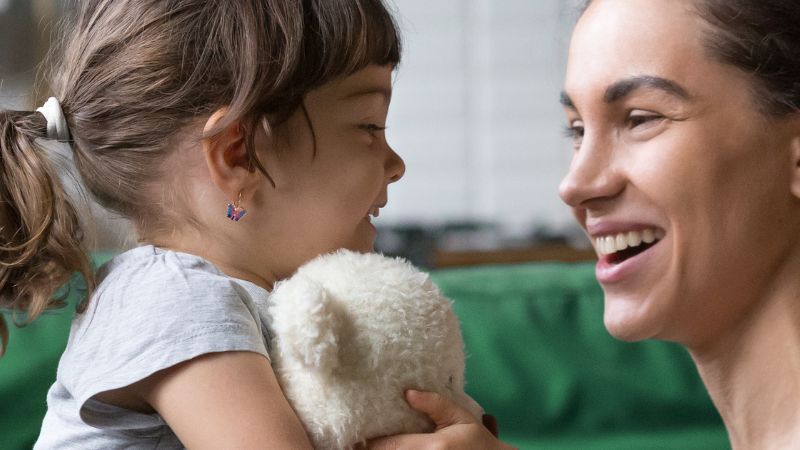
“I choose to be the best mum I can be”: What Becky* gained from parenting program, in her words
Mum Becky* has completed our Keeping Us Together program at Dillwynia Correctional Centre. Here she reflects on what she’s gained from the program and the future she wants to build for her […]
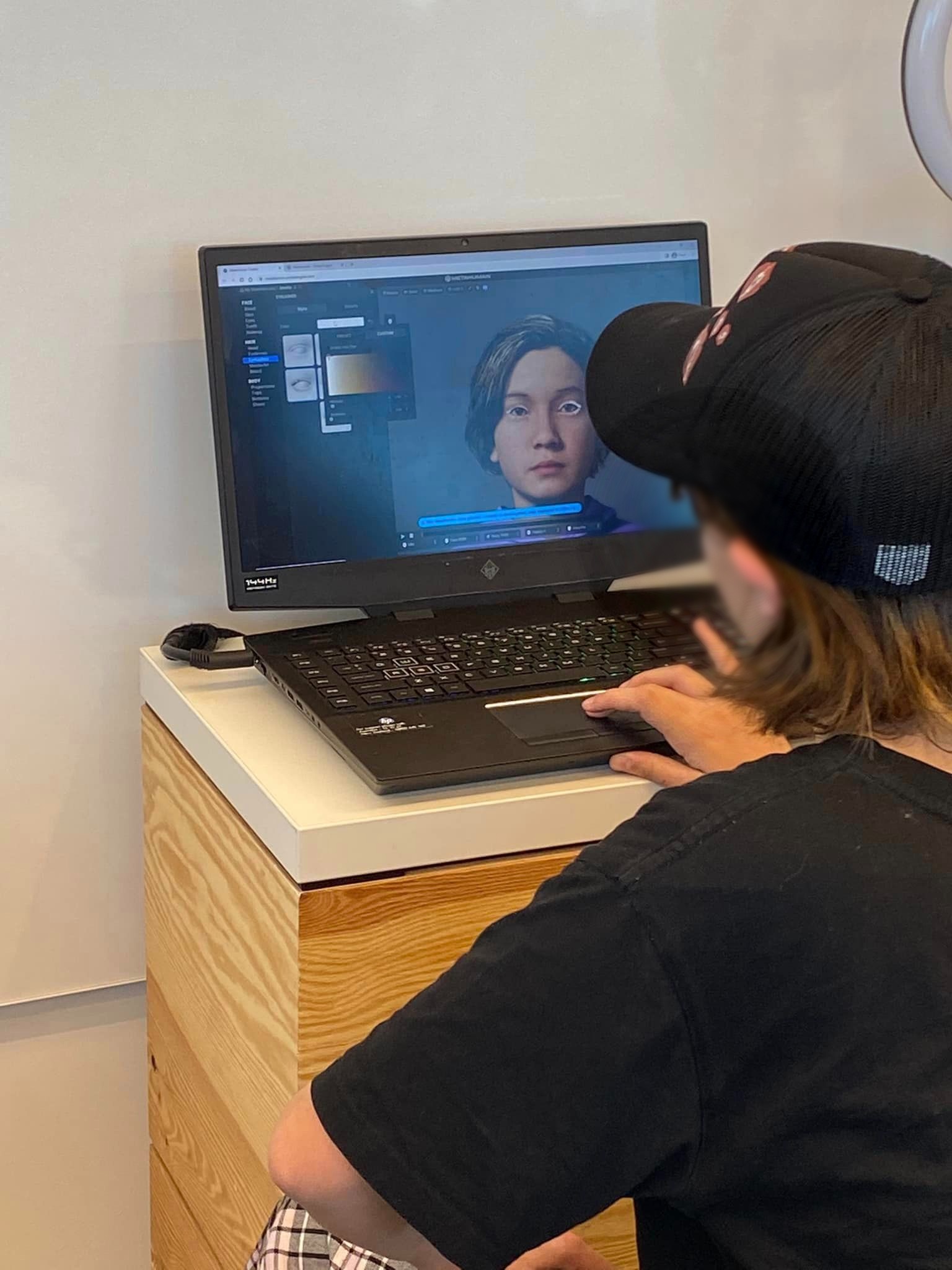
Robots, AI and Virtual Reality : Technology Day inspires kids
Our kids in Melbourne had an amazing experience thanks to the team at Deloitte Digital who volunteered their time to help us deliver our first Technology Day! A group of very excited […]

A Tee-Ball captain and increased school attendance: Wins for our Frankston kids
Our mentoring team in Frankston, Victoria have reported some big wins for their kids this past year! While the team say all of the kids in Victoria have shown admirable growth, they […]

“I tell him RISE is coming to school today and he is happy to go”: Little boy thrives with RISE
Our RISE Clarence Coordinator has been connecting with incredibly resilient children and their families across the Clarence Valley. One of these students is Adam*, who is 9 years old. Adam was referred […]

Love at first sight for dad meeting newborn daughter
Our team in Queensland have been supporting this dad to connect with his newborn daughter. As he says, the support has completely changed his family’s life. Thank you to this father for […]

Two young men’s strong bond, in good times and bad
Mason* has spent most of his teenage years going between out-of-home care and custody. He’s no longer in contact with his family and finds it difficult to maintain positive relationships. Mason was […]
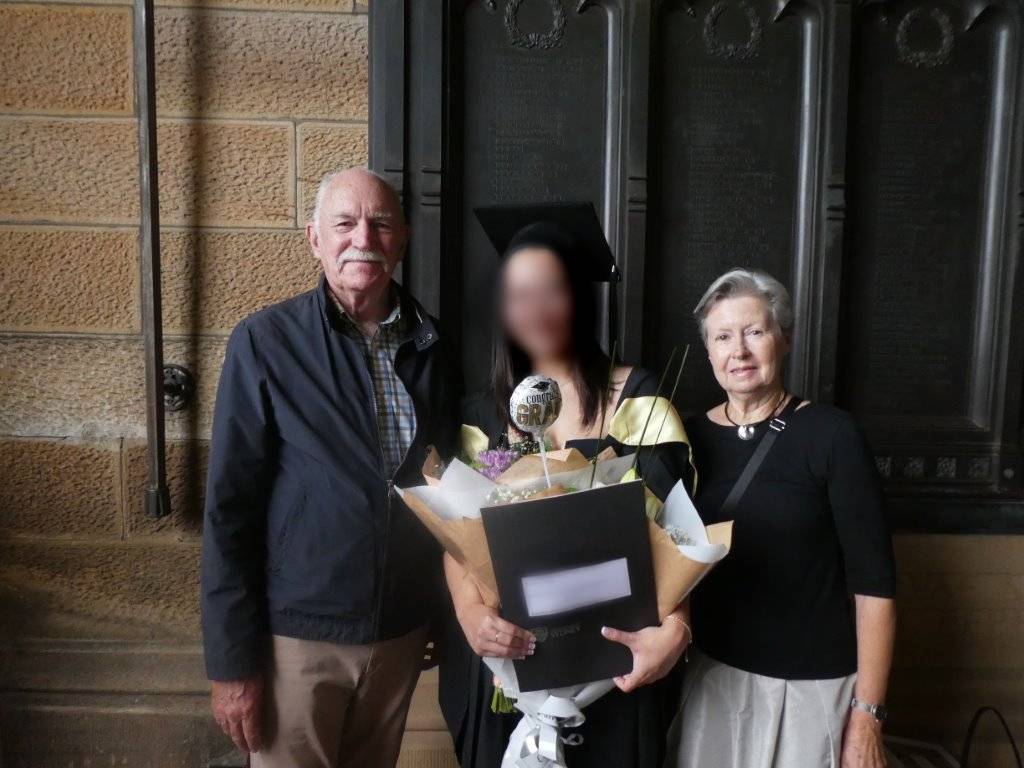
Proud day for family and their SHINE For Kids volunteer
One of our wonderful long time volunteers Dennis recently reached out to us to pass on some lovely news. He and his wife had just attended the graduation of a young woman […]
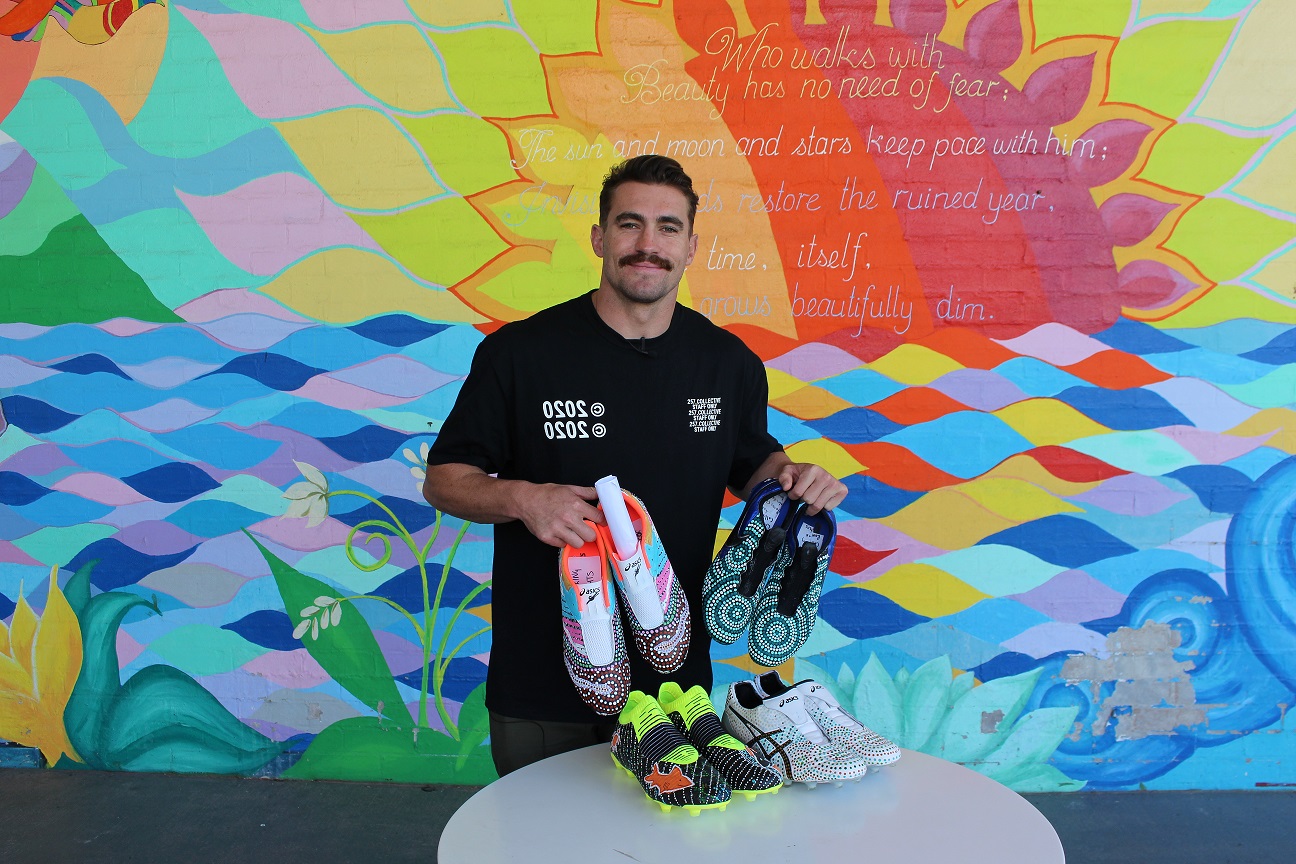
Sam’s year of kicking goals
Sam, a young Aboriginal boy in the Stand As One mentoring program, was just 15 when he went into custody at Frank Baxter Youth Justice Centre. Sam was the youngest person at […]
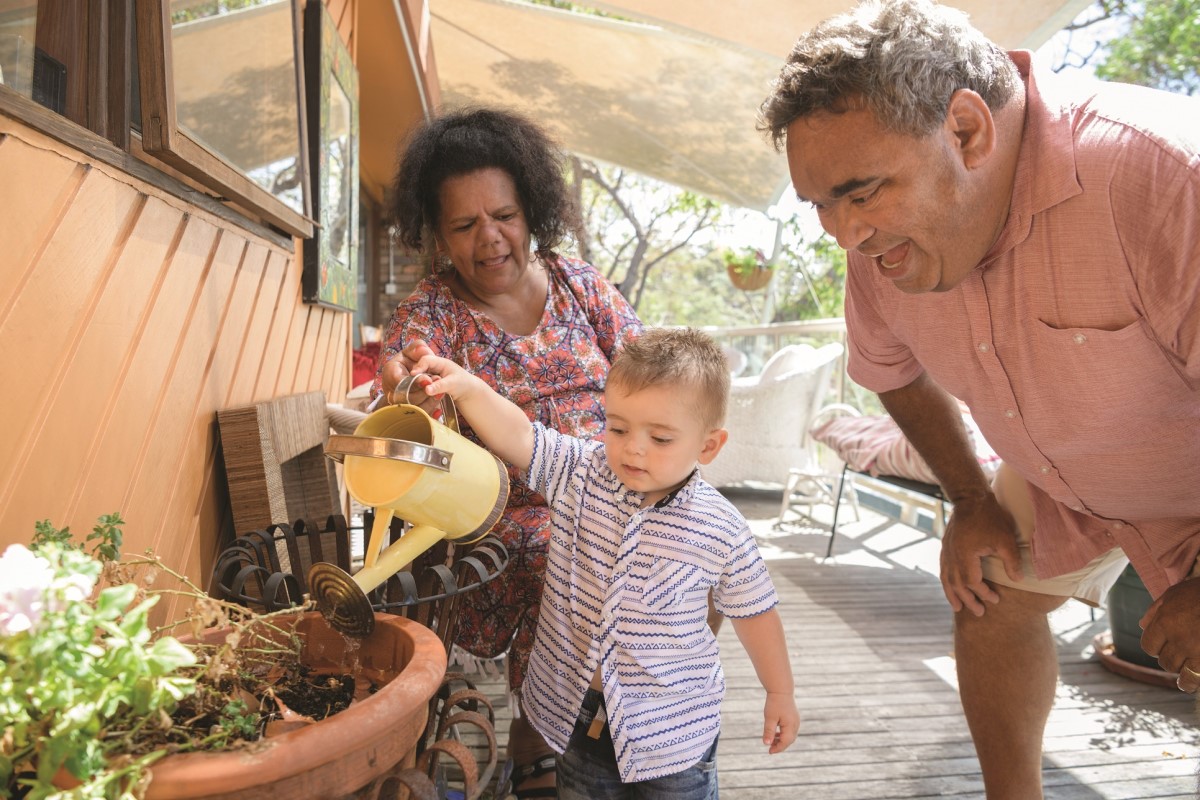
Keeping connected to mum during the toughest of times
Mia, Declan and Timmy have been living with their grandmother since their dad was incarcerated four years ago. Their mum was also sent into custody two years after dad while she was […]
Latest News
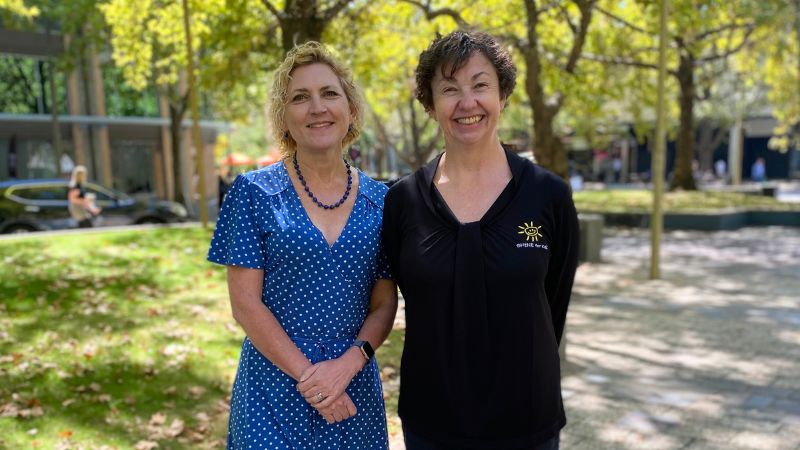
ACT programs announcement with Minister Davidson
We had the pleasure of joining Minister Emma Davidson in Canberra on Wednesday, March 27th, to speak with the media about the launch of our full suite of programs, including our first […]
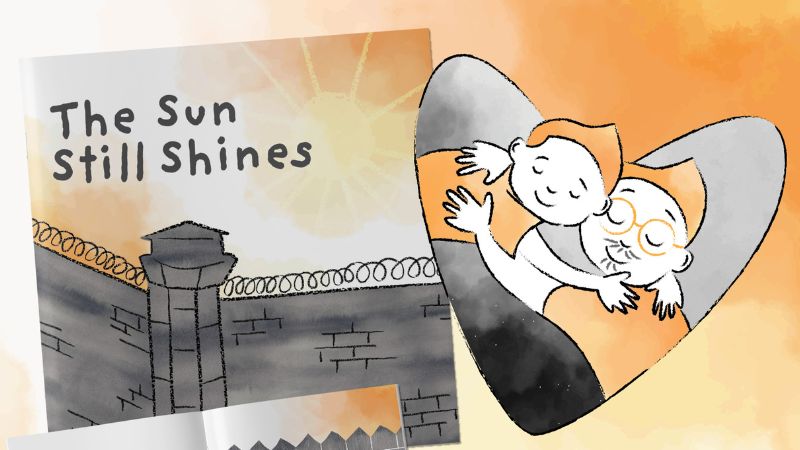
Children’s book written by dads in custody shines light on their kids this Father’s Day
MEDIA RELEASE 30 August 2023 Child advocacy and support organisation, SHINE for Kids has launched a new book in time for Father’s Day, The Sun Still Shines – aimed at children whose […]
Children & Families
If you have a family member in prison, take a look at our programs which help them stay connected to their children. We also have programs for children whose mum or dad is in custody.
Professionals
Find out about our work in advocacy and research on family connectedness and wellbeing and criminological outcomes for prisoners.
Student Placements
When you volunteer with us you help children and young people in many ways. Find out more.
Shine TV
Hear from families, our team, volunteers, and supporters about the work we do and the lives we touch. Our videos give a voice to children impacted by parental incarceration and bring attention to the issues they face.
